
News
Stay up to date on the latest crypto trends with our expert, in-depth coverage.

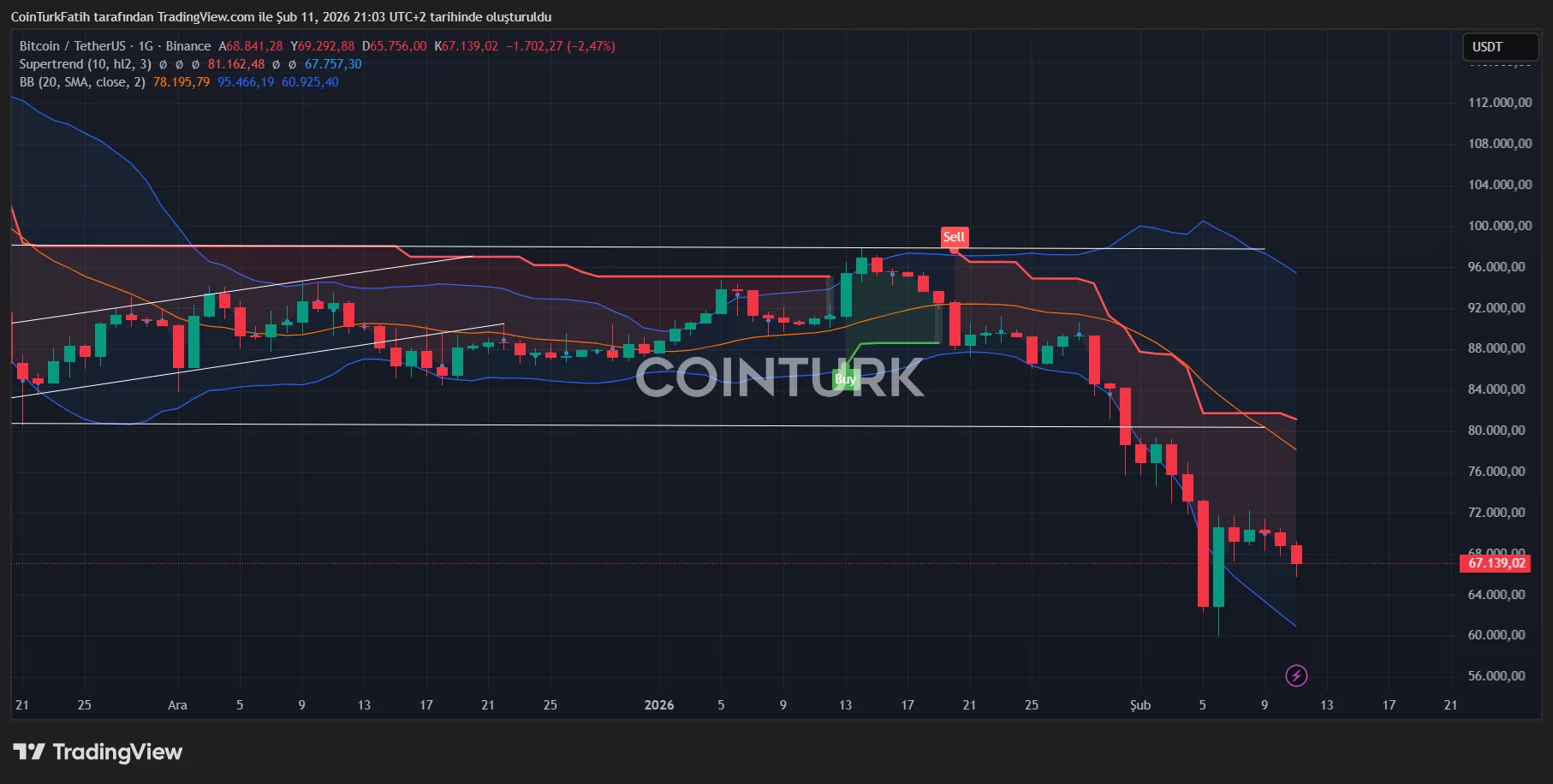
Trump’s Iran Talks Send Ripples Through Cryptocurrency Markets
Cointurk·2026/02/11 19:09

Micron Technology stock rises as executives report smooth company execution
新浪财经·2026/02/11 19:04
Solana DAT Upexi posts $179 million loss as SOL price slide hits treasury despite revenue doubling
The Block·2026/02/11 18:54
Gold bulls are holding the $5,000 level, but attempts to move past $5,100 continue to face resistance.
101 finance·2026/02/11 18:39
'XRP is the North Star for Ripple': Garlinghouse keeps door open for more M&A in second half of 2026
The Block·2026/02/11 18:36
Institutional Crypto Investment Surge: JPMorgan’s Optimistic 2025 Forecast Reveals Market Transformation
Bitcoinworld·2026/02/11 18:36
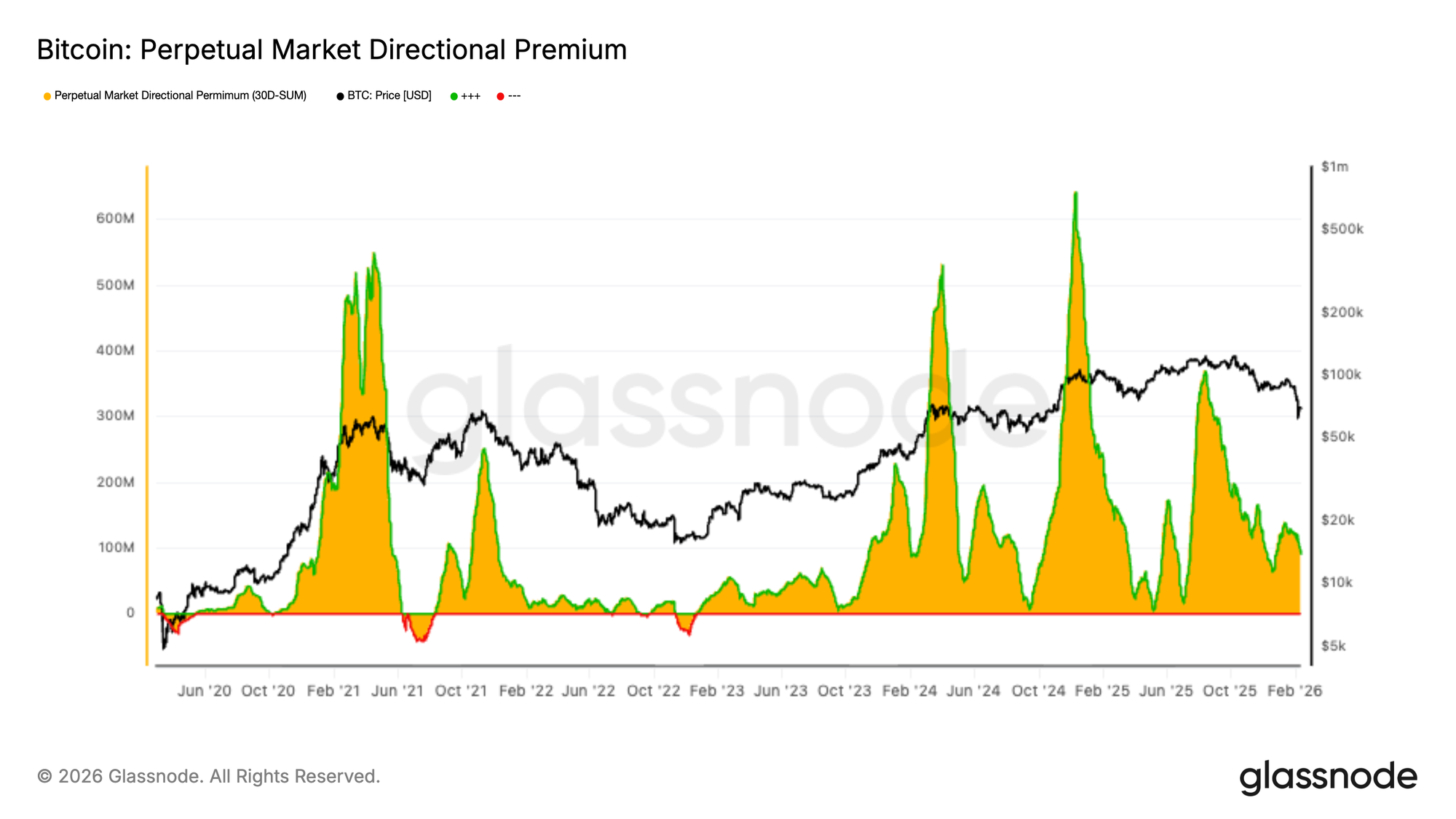
Structural Weakness
Glassnode·2026/02/11 18:27

Ethereum: Holders Accumulate as Price Decline Intensifies
Cointribune·2026/02/11 18:15
Flash
08:53
South Korea plans to establish a future fund using tax incentives from the chip industryGolden Ten Data reported on July 5 that Kang Hoon-sik, Chief Presidential Secretary of South Korea, stated on Sunday that the government plans to use additional tax revenue generated by the semiconductor industry boom to establish a future fund. This fund will be dedicated to investing in economic growth drivers, supporting the younger generation, and addressing the growing issue of social inequality. The government will utilize the “Future Response Fund” to provide financial support for major national investment projects and strengthen the country’s long-term competitiveness. Kang Hoon-sik said, “At this critical juncture that will decide South Korea’s future, we must not waste the additional tax revenue brought by the semiconductor boom and other factors.” He pointed out that the fund will be used to support the government’s three major “super projects,” foster new growth engines, address what he referred to as the “K-shaped” economic polarization, and offer housing, entrepreneurship, and employment support for people aged 20 to 39. The proposed fund is a cornerstone for implementing President Lee Jae-myung’s goal of making South Korea “irreplaceable on a global scale,” and he urged the government and ruling party to work closely together and move forward swiftly.
08:50
Michael Saylor: The greatest evolution for bitcoin over the next decade will be keeping the protocol layer stable while expanding in capital markets and the application layer.BlockBeats news, on July 5, Michael Saylor posted that the biggest evolution of Bitcoin over the next ten years will come from fewer changes at the protocol layer and a greater impact in other areas. He believes the base layer of Bitcoin will become more robust, capital markets will continue to deepen, applications will expand, institutions will enter, and the world will build on top of Bitcoin. Bitcoin is not a tech stock, payment company, or software platform racing to add features, but a monetary network whose purpose is not to move fast and break things, but to move slowly and without being disrupted. Saylor stated that Bitcoin has won its first major battle, and the world is increasingly understanding that Bitcoin is digital capital, characterized by scarcity, durability, portability, divisibility, programmability, and global transferability. The strongest version of Bitcoin is not to "replace all payment rails," but to become a neutral, global, scarce asset around which capital, credit, and commerce are organized. The base layer is not optimized for coffee payments, but designed for final settlement, reserve assets, collateral settlement, and ultimate ownership transfer. He believes the four-year Bitcoin cycle remains important, but is no longer the dominant model. Over the next ten years, Bitcoin's market movement will be less driven by miner issuance and more determined by the capital flows of ETFs, corporate treasuries, sovereign reserves, bank credit, derivatives, insurance, collateral, and global savings. Halving events will tighten supply, while capital flows will determine the growth trajectory. Digital credit will accelerate Bitcoin adoption by connecting Bitcoin capital to the broader financial system. Saylor said the main issue in the next ten years is not whether Bitcoin will survive, but whether economic exposure will remain connected to real Bitcoin or create too much "paper Bitcoin." Custody transparency, proof of reserves, risk management, capital structure, and counterparty risk will all become important. He predicts that by 2036, Bitcoin will be more widely held, more deeply institutionalized, more politically significant, and will become a major collateral asset in the digital credit market; while the base protocol itself may change less than everything built around it.
08:50
China Galaxy Securities: Oil prices are gradually declining, and the travel sector chain is expected to recover in Q3Golden Ten Data, July 5 – China Galaxy Securities released a research report stating that as oil prices gradually declined in mid-June, the year-on-year decrease in domestic civil aviation passenger traffic for week 24–25 of 2026 has narrowed to single digits. Considering that in July, domestic civil aviation fuel surcharges and gasoline prices will further fall back to levels before the Israel-Iran war, and with the autumn holiday approaching, the year-on-year growth rate of trips in Q3 is expected to turn positive, leading to a marginal improvement in the overall travel industry chain's performance.
News