
News
Stay up to date on the latest crypto trends with our expert, in-depth coverage.

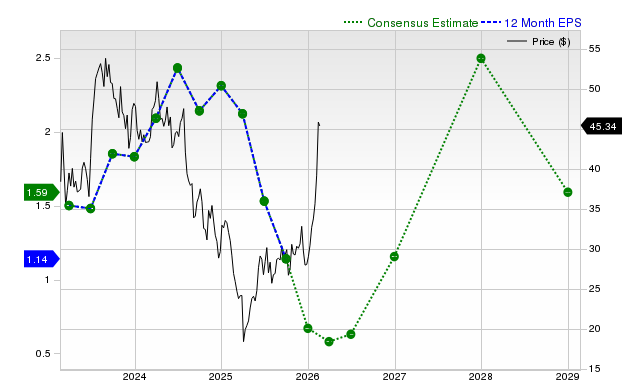
Earnings Estimates Moving Higher for Noble Corporation PLC (NE): Time to Buy?
Finviz·2026/02/20 18:21
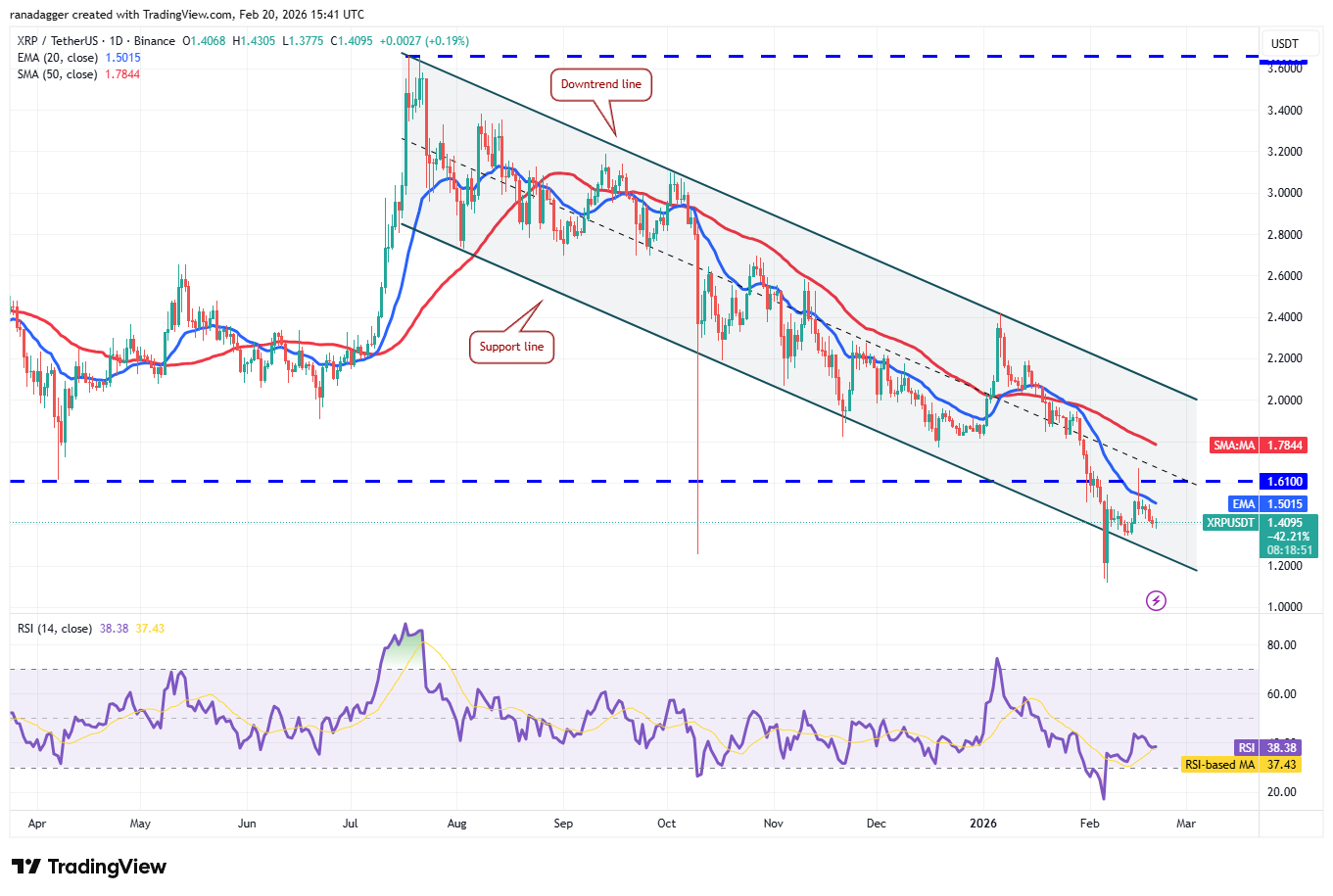
Price predictions 2/20: BTC, ETH, XRP, BNB, SOL, DOGE, BCH, ADA, HYPE, XMR
Cointelegraph·2026/02/20 18:21
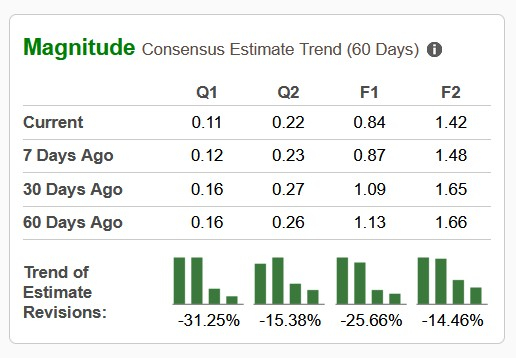
Should Investors Get Rid of Schneider Stock Despite Its Lower Valuation?
Finviz·2026/02/20 18:18
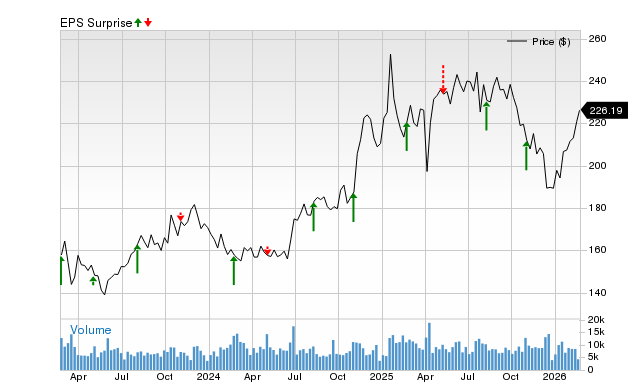
Will Cheniere Energy (LNG) Beat Estimates Again in Its Next Earnings Report?
Finviz·2026/02/20 18:12
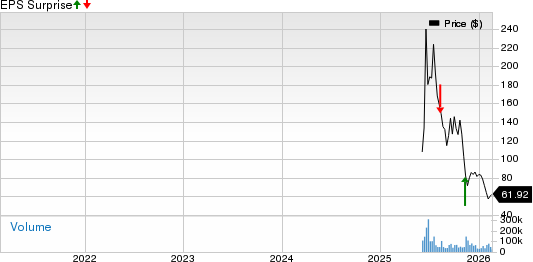
Circle Stock Before Q4 Earnings Release: Should Investors Stay Away?
Finviz·2026/02/20 18:12
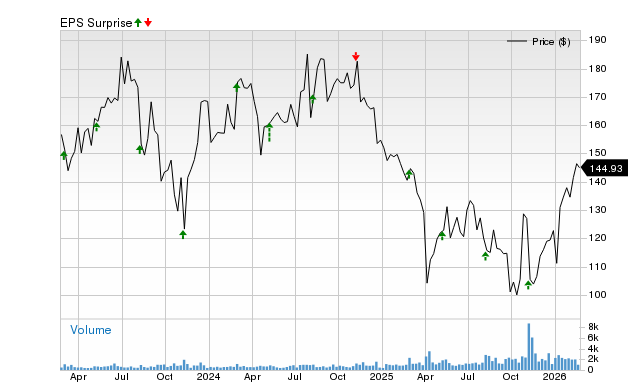
Will Novanta (NOVT) Beat Estimates Again in Its Next Earnings Report?
Finviz·2026/02/20 18:12

Brian Armstrong defends the structural solidity of Bitcoin
Cointribune·2026/02/20 18:09

Paris Blockchain Week 2026: Date and Promotion
Cointribune·2026/02/20 18:09


Why Is Commerce (CMRC) Stock Rocketing Higher Today
Finviz·2026/02/20 18:09
Flash
06:43
France’s Budget Deficit Target Remains Unresolved as Finance Minister Holds Emergency Meeting to Seek Spending Cuts```htmlGolden Ten Data reported on June 26 that French Finance Minister Le Maire, after criticism from the national fiscal watchdog regarding the government's yet-to-be-finalized budget plan, has again pledged to focus on reducing France's deficit. Le Maire stated: "I hope we do everything possible to maintain our 5% target, and we still have some room to maneuver. However, in recent years, we've struggled to curb the continuous rise in social spending. If we fail to control this, the situation will become very complicated." The government has promised to narrow the budget deficit to 3% of economic output by 2029, with this year's target set at 5%. Yet, at this stage of fiscal planning, the Ministry of Finance has not set interim targets for the coming years, nor has it disclosed the details of spending cuts needed to meet these goals. Le Maire plans to meet with fiscal officials and other ministers on Tuesday to reassess the 2026 budget situation, following the Iran conflict, which has dragged down economic growth and intensified inflation. He had already stated last week that even a slight reduction in the deficit would require further spending cuts.```
06:43
Citi: El Niño Phenomenon Poses Chain Supply ShocksGlonghui, June 26|Citigroup released a report stating that the interim agreement between the United States and Iran has alleviated some key obstacles to the global economy. Nevertheless, it is still too early to say that challenges are a thing of the past. The sustainability of the agreement remains to be seen, and the conflict has already caused damage to infrastructure in the Middle East. The good news is that the global economy has weathered a period when oil prices remained consistently above $100 per barrel, and the bank estimates that the current global economic growth rate is about 2.5%, down from 2.9% before the conflict. Meanwhile, the global economy may be facing a new risk. The National Oceanic and Atmospheric Administration (NOAA) has determined that there is more than a 95% chance that the El Niño phenomenon will persist until March 2027, and a 63% chance that it will reach severe or super-strong intensity by the end of the year. Historically, El Niño events of this severity have caused significant and long-lasting economic costs by disrupting agricultural output, energy production, supply chain logistics, and reducing labor productivity.
06:41
Bitunix Analyst: PCE Brings No Surprises, the Real Variables Remain the Federal Reserve and the US DollarBlockBeats reported that on June 26, the US May PCE data matched market expectations, with overall PCE rising 4.1% year-on-year and core PCE up 3.4% year-on-year. Although the data did not further boost inflation expectations, it also did not provide any reason to support rate cuts. As a result, the market's focus quickly shifted from the data itself to the Federal Reserve's policy framework. Especially after Waller continually downplayed forward guidance, capital has remained focused on the possibility of "higher rates for longer" instead of waiting for a policy pivot. The latest statements from Federal Reserve officials have further reinforced this expectation. Williams admitted that the timeline for inflation to return to 2% could be delayed until 2028. Goolsbee also believes that core inflation remains high and supports avoiding providing a clear interest rate path. Meanwhile, the US dollar continues its strength, all major US banks have passed stress tests, and the AI industry keeps attracting capital inflows. All these factors make global funds more inclined to stay in dollar assets rather than bet early on an easing cycle. On the other hand, risks in the Middle East have not been fully resolved. The Iranian Revolutionary Guard has once again taken a tough stance on navigation in the Strait of Hormuz. Attacks on commercial ships and disputes over management rights of the strait indicate that the ceasefire agreement still faces repeated uncertainties. Although crude oil exports and shipping have not yet been materially impacted, the market has started to reassess uncertainties in the energy supply chain and their potential effects on future inflation. For the crypto market, what really needs attention now is no longer just single inflation data, but whether US dollar liquidity will continue to be absorbed by the high interest rate environment. As the market gradually accepts that the Federal Reserve will not rush to loosen policy in the short term, the speed of valuation recovery for risk assets may still be limited. In the short term, Bitcoin will likely continue fluctuating around funding risk appetite, US dollar strength, and overall liquidity changes. The market should still pay attention to how changes in macro policy expectations impact the sentiment in the crypto asset market.
News